How to Clean a Car Dashboard? (Complete Step-by-Step Guide)
A clean car dashboard does more than make your vehicle look good.
It improves driving comfort, reduces dust-related allergies, protects interior materials from cracking, and helps maintain resale value.
Because the dashboard is exposed to constant sunlight, heat, and dust, it requires proper care not just quick wiping with any cloth.
This guide will teach you how to properly clean a car dashboard using safe techniques for various materials like vinyl, leather, plastic, and touchscreen screens.
This article covers everything from routine cleaning to extensive repair, regardless of how dirty or dusty your dashboard is.
Know Your Dashboard Material First
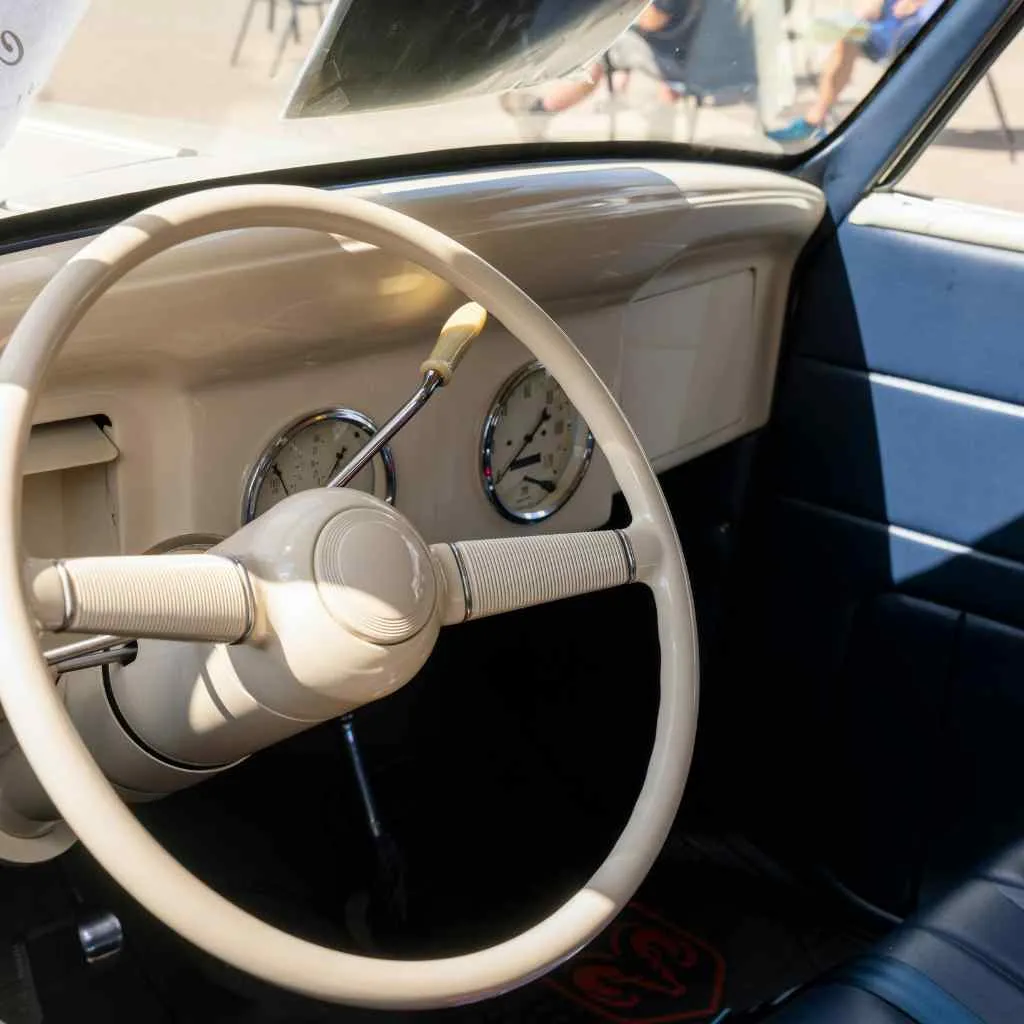
Before cleaning, it is essential to understand what material your dashboard is made of. Using the wrong cleaner can cause discoloration or damage.
Common Dashboard Materials
Plastic & Vinyl (Most Common)
Durable and easy to clean, but sensitive to harsh chemicals.Leather or Leather-Wrapped Dashboards
Found in premium vehicles and require gentle, moisture-controlled care.Soft-Touch or Rubberized Surfaces
Feel smooth but can peel if cleaned aggressively.Touchscreen & Digital Displays
Require special attention to avoid scratches or screen damage.Always check your vehicle manual for manufacturer recommendations.
Tools and Supplies You Will Need
You do not need expensive equipment to clean a car dashboard properly. Most items are affordable and reusable.
Basic Cleaning Tools
- Microfiber cloths (at least 2–3)
- Soft detailing brush or makeup brush
- Vacuum cleaner with brush attachment
- Spray bottle
Cleaning Solutions (Choose One)
- Mild dish soap mixed with water
- Interior car cleaner (dashboard-safe)
- Diluted white vinegar (for plastic only)
- Leather cleaner (for leather dashboards)
Step-by-Step: How to Clean a Car Dashboard
Step 1: Park in a Shaded Area
Always clean your dashboard when the car is cool. Heat causes cleaners to dry too fast, leaving streaks or residue.Step 2: Remove Loose Dust and Debris
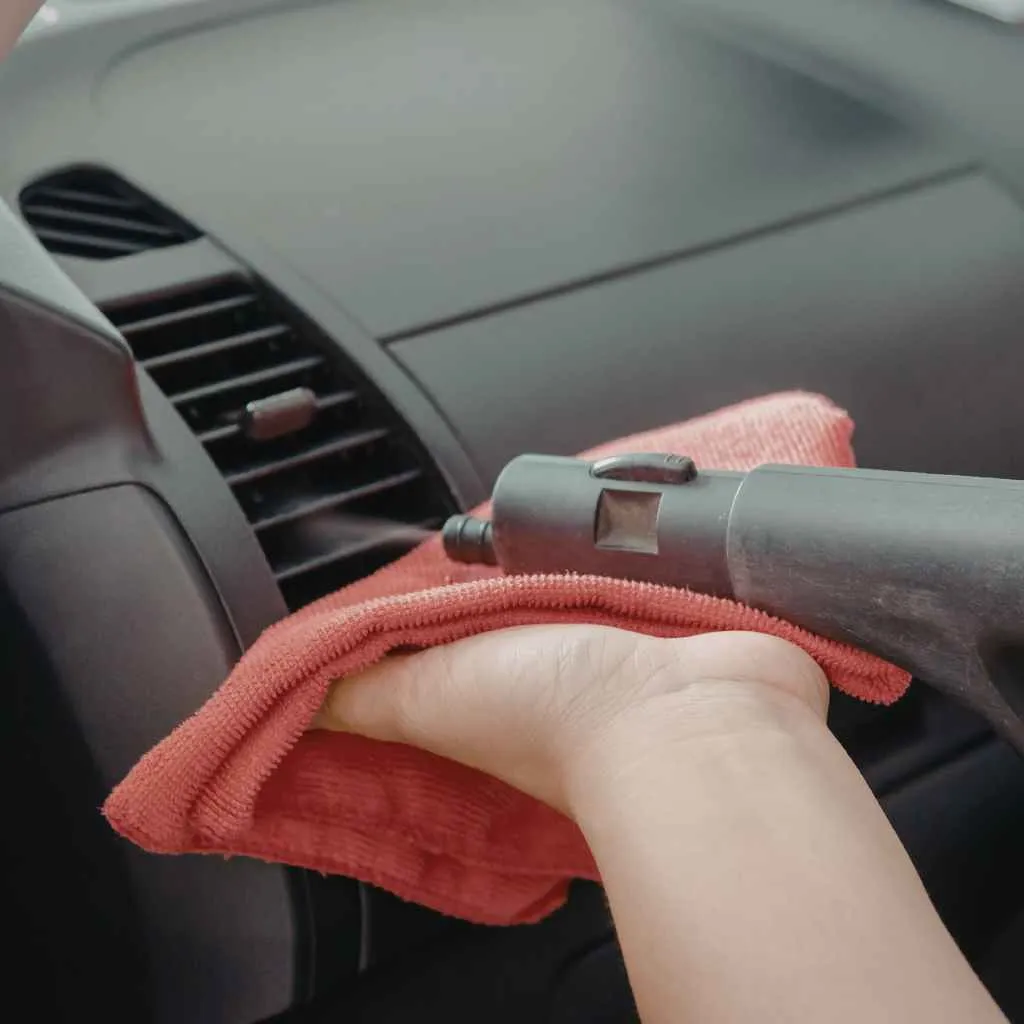 Start by dry cleaning before applying any liquid.
- Use a vacuum with a soft brush attachment to remove dust from the dashboard, vents, and seams.
- Use a soft detailing brush to loosen dirt from tight areas such as air vents and buttons.
- Wipe gently with a dry microfiber cloth.
Step 3: Prepare a Gentle Cleaning Solution
For general cleaning, mix:- 1–2 drops of mild dish soap
- 1 cup of warm water
Step 4: Wipe the Dashboard Surface
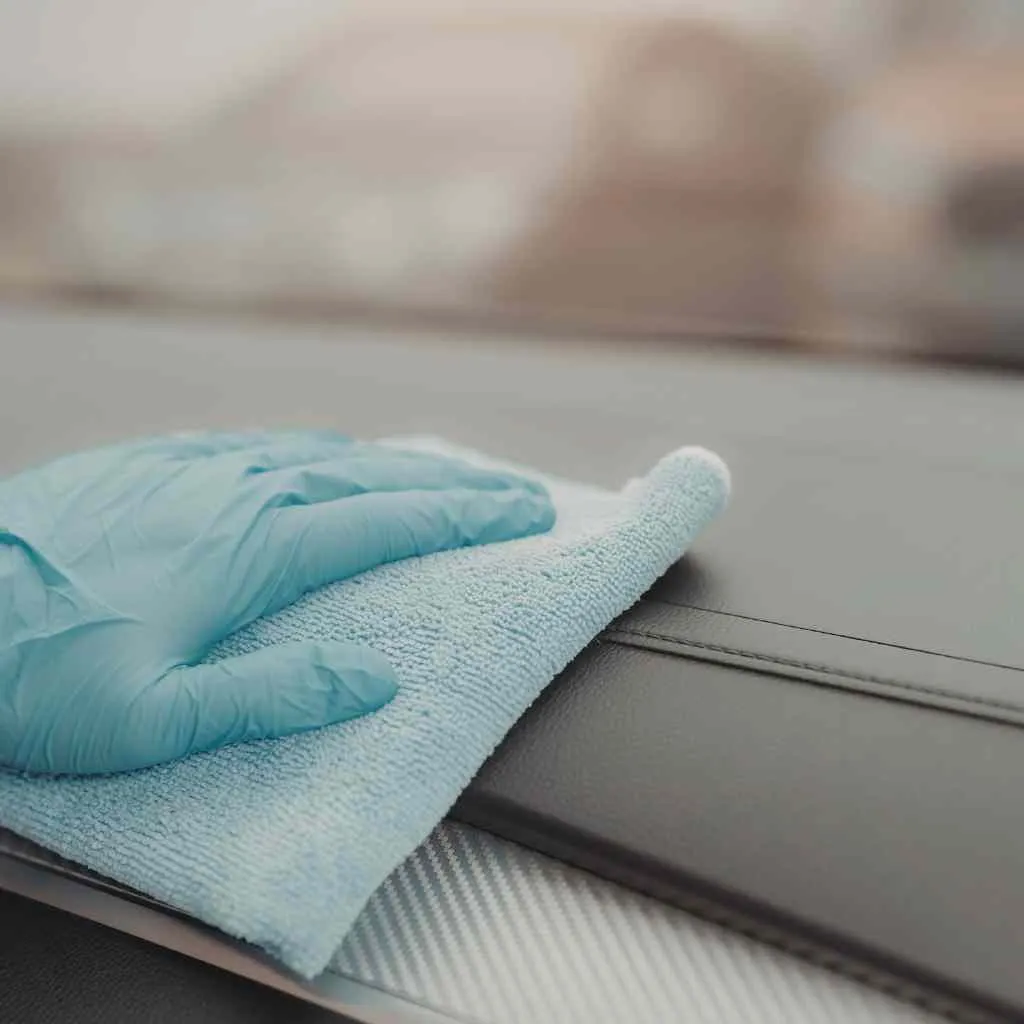
- Lightly spray the solution onto a microfiber cloth.
- Wipe the dashboard using gentle circular motions.
- Pay attention to high-touch areas such as steering-side panels, knobs, and buttons.
Step 5: Clean Air Vents Properly
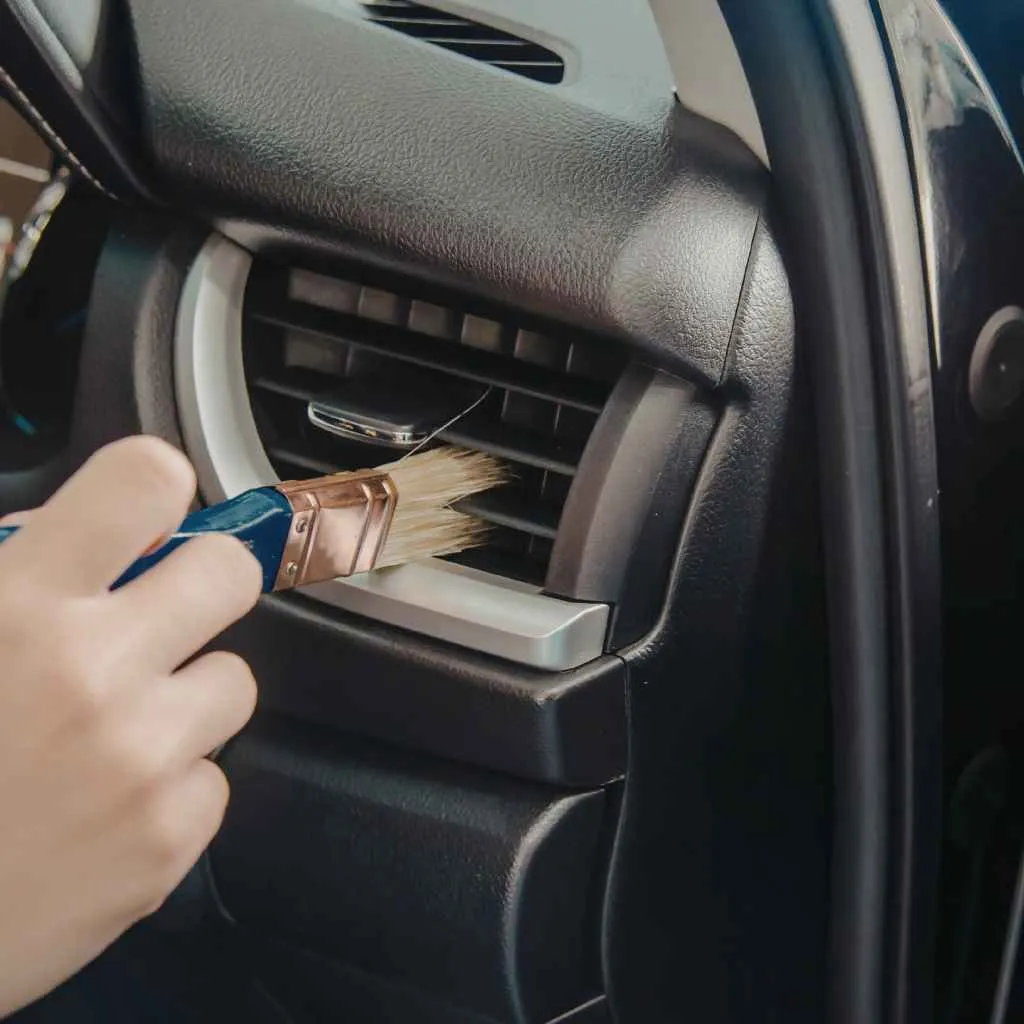 Air vents collect dust faster than any other part of the dashboard.
- Use a soft brush or foam paintbrush to loosen dust.
- Follow with a microfiber cloth or vacuum.
- For stubborn grime, lightly dampen the cloth never pour liquid into vents.
Step 6: Dry the Dashboard Completely
After cleaning:- Use a dry microfiber cloth to remove moisture.
- Ensure no residue remains, especially near screens or seams.
How to Clean a Leather Car Dashboard?
Leather dashboards require extra care.
Steps for Leather Dashboards
- Use a leather-specific cleaner.
- Apply cleaner to a microfiber cloth not directly to leather.
- Gently wipe without rubbing aggressively.
- Allow to air dry.
- Apply a leather conditioner to keep the surface soft and crack-free.
How to Clean a Touchscreen Dashboard Safely?
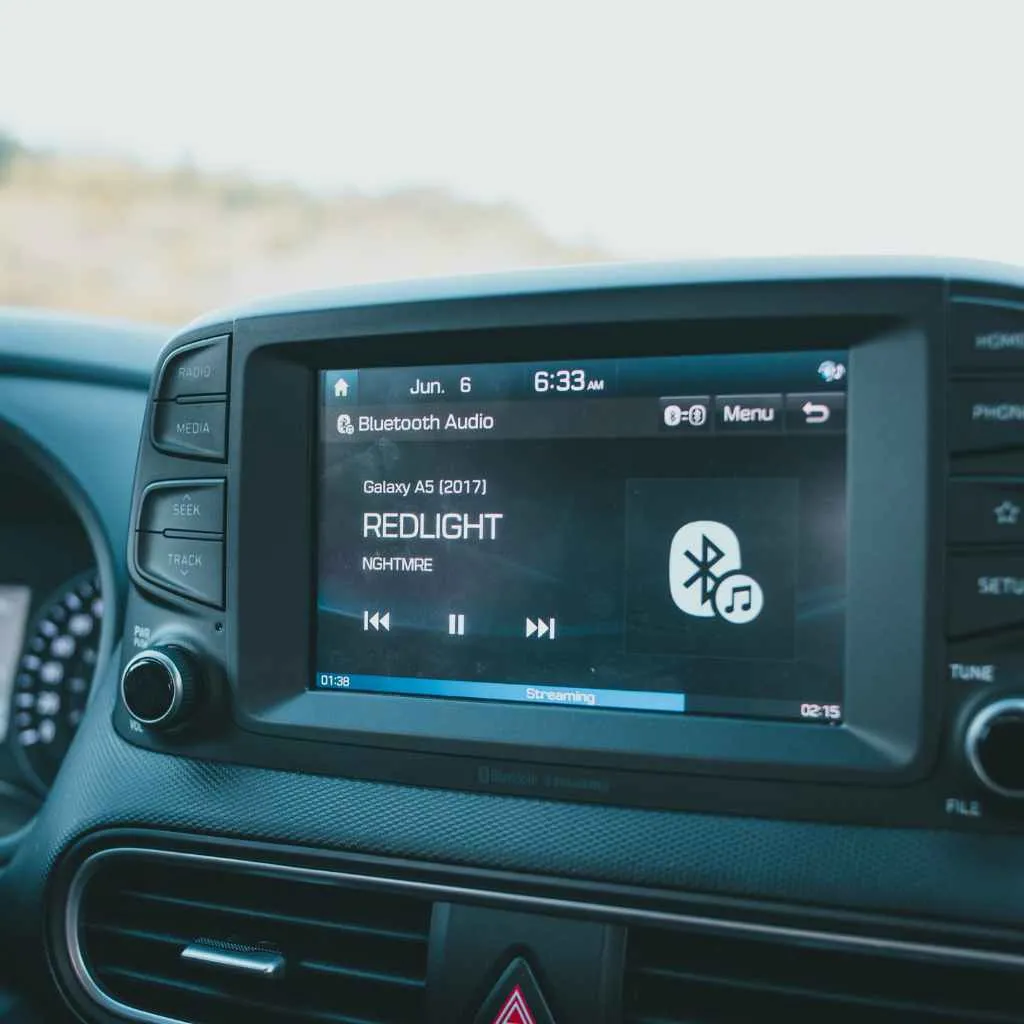
Modern dashboards often include digital screens.
Safe Cleaning Method
- Turn off the screen.
- Use a dry microfiber cloth first.
- For smudges, lightly dampen the cloth with distilled water.
- Wipe gently in straight lines.
Removing Tough Stains from the Dashboard
Sometimes dust alone is not the issue.
Common Dashboard Stains and Solutions
Grease or Oil Marks
Use a mild soap solution and gentle rubbing.Sticky Residue
A diluted vinegar solution (plastic only) can help.Sun-Baked Grime
Multiple light cleanings work better than heavy scrubbing.Avoid scrapers or abrasive sponges.
Should You Use Dashboard Polish or Protectant?
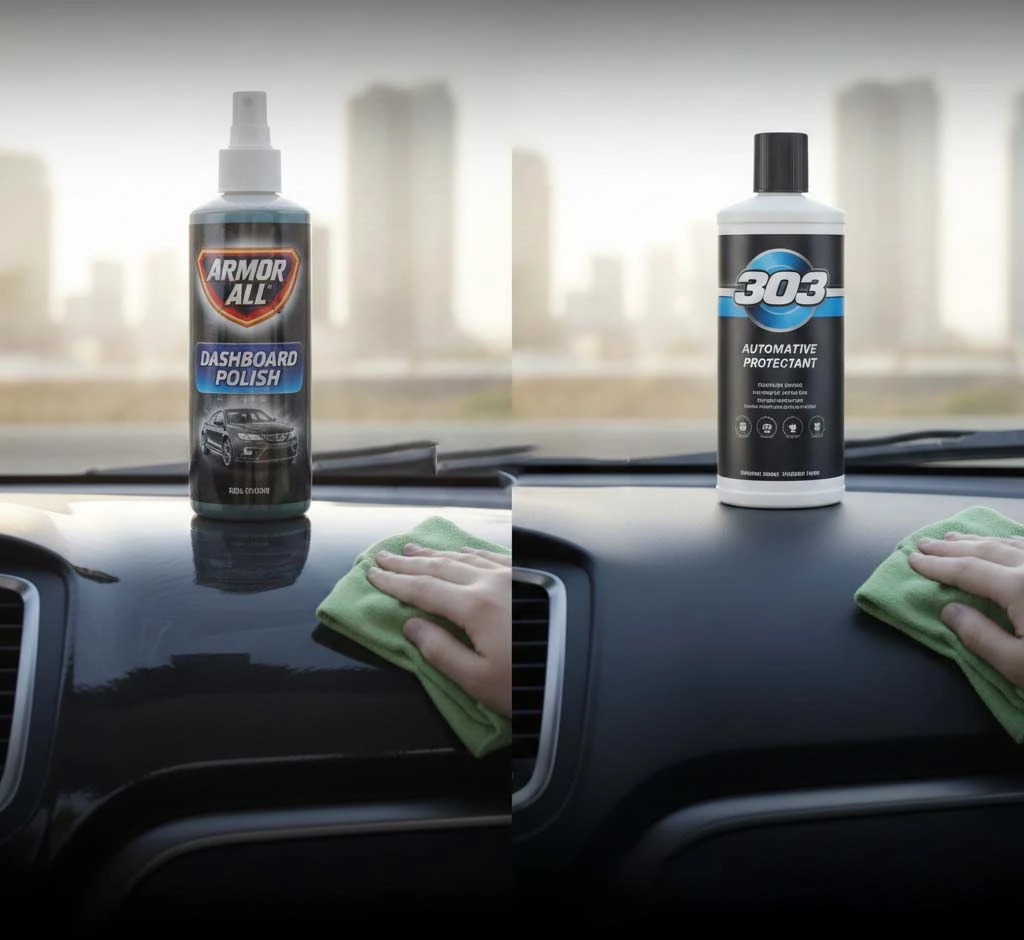
Dashboard protectants can enhance appearance and add UV protection but must be used carefully.
Pros
- Protects from UV damage
- Restores faded surfaces
- Adds water-repellent properties
Cons
- Overuse causes greasy buildup
- Can create glare on the windshield
Best Practice
- Use non-greasy, matte-finish protectants
- Apply once every 4–6 weeks
- Buff excess product thoroughly
How Often Should You Clean Your Car Dashboard?
Cleaning frequency depends on driving conditions.
Recommended Schedule
- Light dusting: Once per week
- Basic cleaning: Every 2–3 weeks
- Deep cleaning: Every 2–3 months
Common Dashboard Cleaning Mistakes to Avoid
Many dashboard issues are caused by improper cleaning.
Avoid These Mistakes
- Using household glass cleaners
- Spaying liquid directly onto the dashboard
- Scrubbing with rough cloths or sponges
- Ignoring air vents and seams
- Using silicone-heavy products
Natural DIY Dashboard Cleaner (Safe Recipe)
If you prefer a homemade solution:
DIY Cleaner for Plastic Dashboards
- 1 cup distilled water
- 1 teaspoon mild dish soap
- Optional: 1 teaspoon white vinegar
Do not use on leather or screens.
Tips to Keep Your Dashboard Clean Longer
- Use a windshield sunshade
- Keep windows closed in dusty areas
- Avoid placing oily items on the dashboard
- Wipe spills immediately
- Use a dashboard cover if parked outdoors frequently
Final Thoughts
The benefits of cleaning your car's dashboard are long-lasting and easy.
You can have a clean, safe interior without running the danger of harm if you have the necessary equipment, mild cleaners, and good technique.
Whether your dashboard is digital, leather, or plastic, regular maintenance keeps it in good condition and appearing brand new.
A few minutes of regular maintenance can save you from costly interior repairs in the future.