How to Clean Car Carpets: Step-by-Step Guide for a Fresh Interior
The carpets in your car get beat up more than almost any other part. The fibers get dirty over time from mud, dust, food crumbs, drink spills, pet hair, and daily foot traffic.
This buildup leads to stains, bad smells, and even the growth of germs over time. If you don't take care of your car's carpets, they can make even a clean outside feel bad.
If you know how to clean car carpets the right way, the inside of your car will feel completely different.
Carpets that are clean make the air better, get rid of smells, protect the inside, and make drive more comfortable.
The good news is that you don't have to pay a lot for cleaning services to keep your car in good shape.
You can fix up your car rugs at home if you know what to do, have the right tools, and are patient.
This guide covers everything from basic vacuuming to deep cleaning and stain removal using simple, practical methods that actually work.
Understanding Your Car Carpet Material
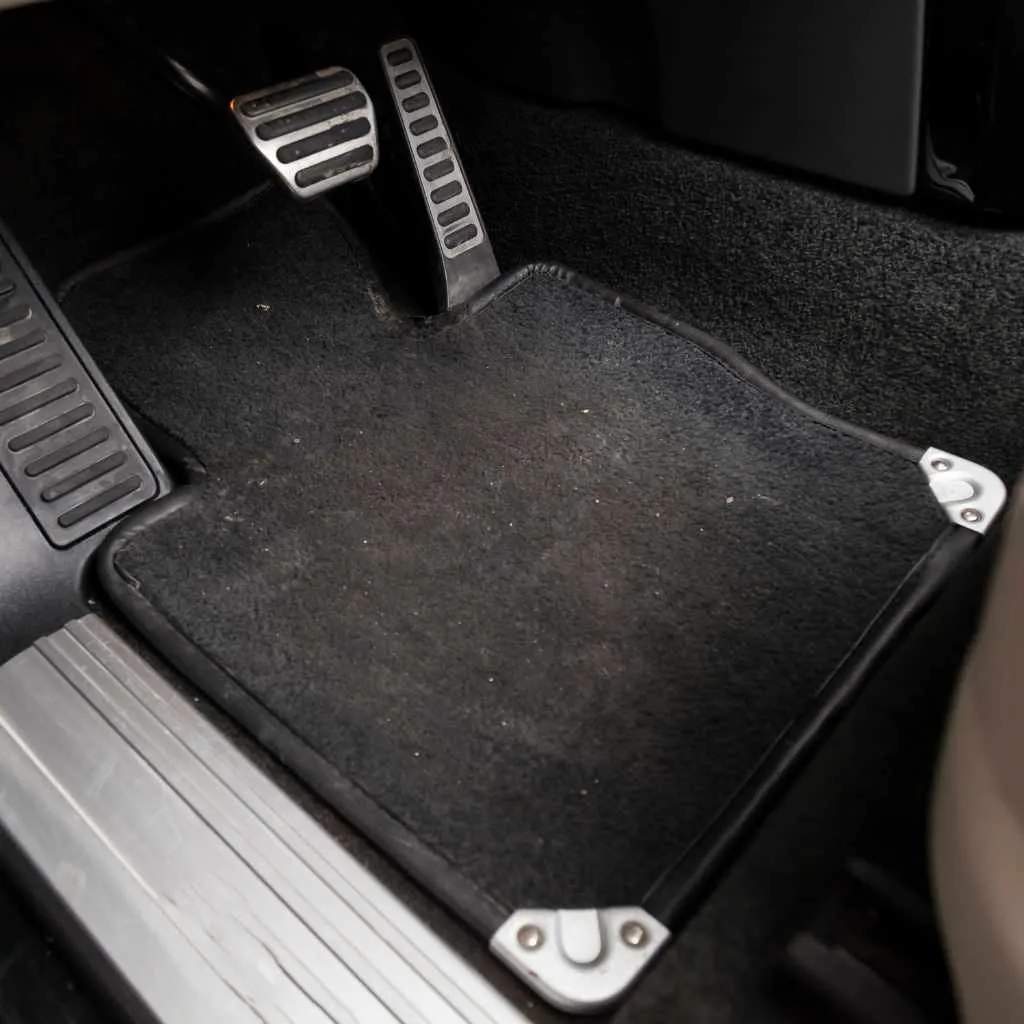
Before cleaning, it helps to understand what type of carpet your vehicle has. Most car carpets are made from nylon, polyester, or polypropylene fibers.
These materials are durable but can be damaged by harsh chemicals or excessive water.
Because car carpets sit on padding and metal flooring, over-wetting them can cause moisture to get trapped underneath. This is why controlled cleaning and proper drying are essential.
Tools and Supplies You’ll Need
You don’t need professional equipment for effective car carpet cleaning. Basic household items work surprisingly well.
Recommended supplies include:
- Vacuum cleaner (preferably a shop vacuum)
- Soft or medium-bristle brush
- Microfiber towels
- Spray bottle
- Warm water
- Mild dish soap or car carpet cleaner
- Baking soda
- White vinegar (optional)
- Rubber gloves
Step 1: Remove Floor Mats and Prepare the Interior
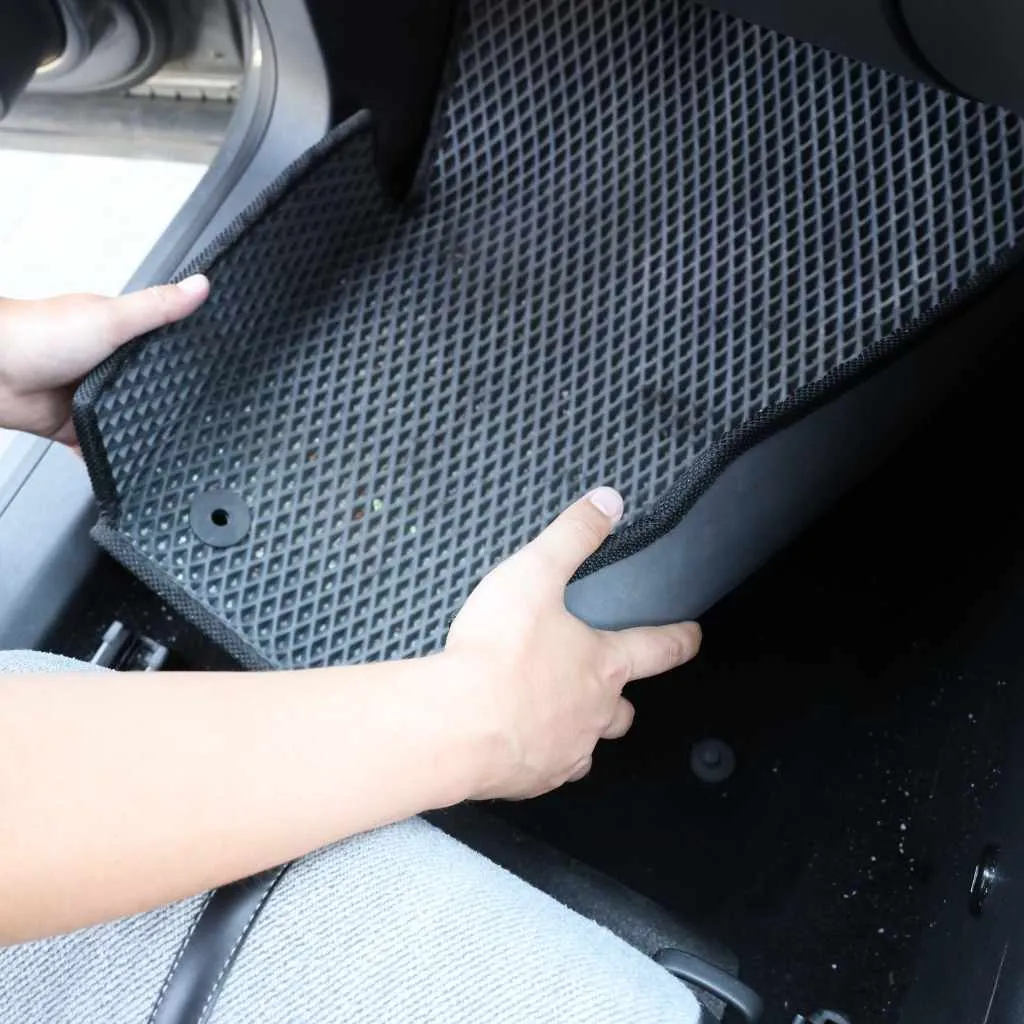
Start by removing all floor mats and personal items from the car. This gives you full access to the carpet and prevents dirt from spreading.
Shake fabric mats outside to remove loose debris. Rubber mats can be washed separately with soap and water.
Never clean carpets with mats still inside; it reduces effectiveness and leaves dirt behind.
Step 2: Vacuum the Car Carpets Thoroughly
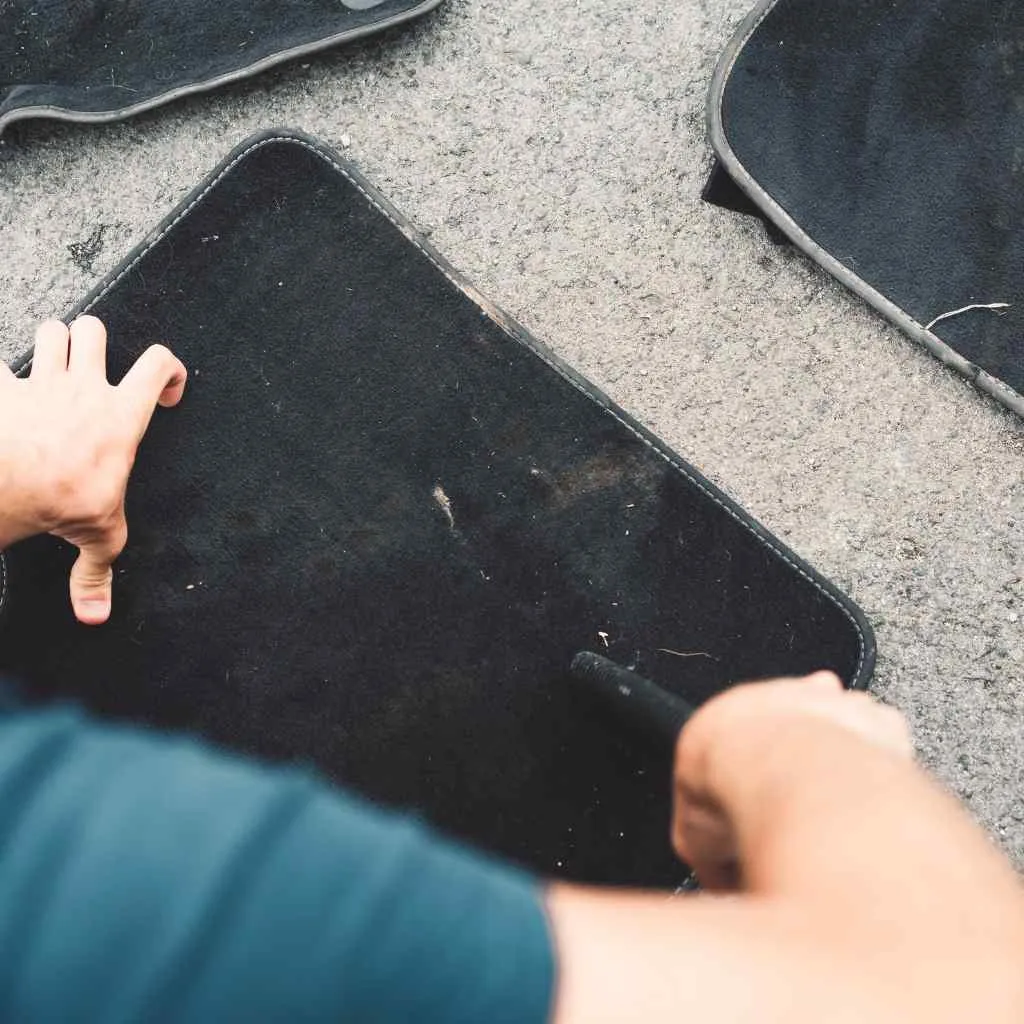
Vacuuming is the most important step and should never be rushed.
Use a narrow nozzle to reach:
- Under seats
- Along edges and corners
- Pedal areas
- Door sill edges
Skipping this step pushes dirt deeper into the fibers once moisture is applied.
Step 3: Identify and Pre-Treat Stains
Before cleaning the entire carpet, inspect it for stains. Treating stains first prevents them from spreading during deep cleaning.
Basic Pre-Treatment Solution
Mix warm water with a few drops of dish soap. Lightly spray the stained area and gently scrub using a soft brush. Avoid soaking the carpet.Blot the area with a clean towel to lift dirt and moisture.
How to Remove Common Car Carpet Stains?
Mud and Soil Stains
Let mud dry completely before touching it. Once dry, vacuum thoroughly. Clean remaining residue with mild soap and water.Food and Drink Spills
Coffee, soda, and juice stains respond well to a vinegar and water mixture. Spray lightly, blot gently, and repeat if necessary.Grease and Oil Stains
Grease is one of the toughest stains. Sprinkle baking soda or cornstarch to absorb oil. Leave it for 15–20 minutes, vacuum, then clean with dish soap solution.Pet Stains and Odors
Pet accidents require odor neutralization. Vinegar breaks down odor-causing bacteria, while baking soda absorbs moisture and smells.Step 4: Deep Clean the Car Carpets
Once stains are treated, move on to cleaning the entire carpet for a uniform finish.
Method 1: Hand Cleaning (No Machine)
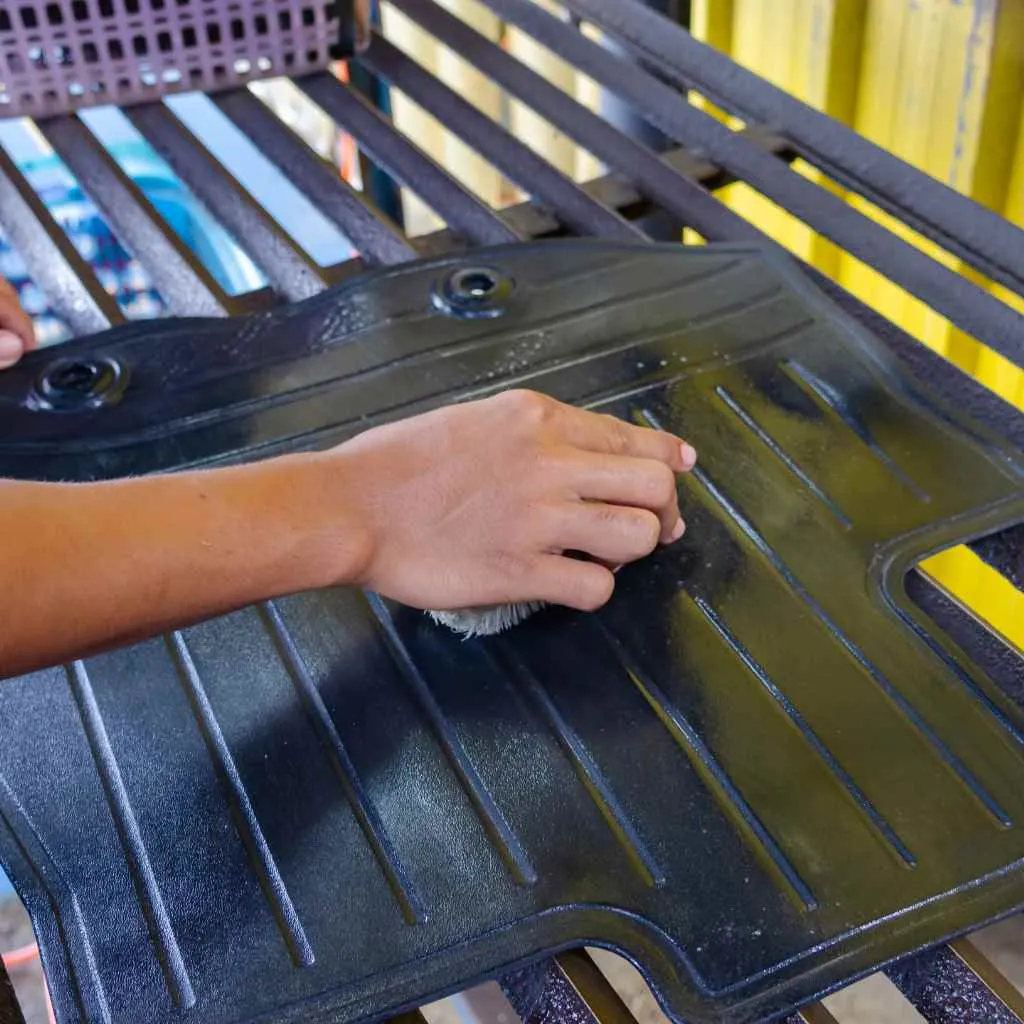 Mix warm water with a small amount of carpet cleaner or dish soap. Spray lightly across the carpet.
Use a brush to scrub gently in circular motions. Focus on high-traffic areas but avoid excessive pressure.
Blot with microfiber towels to remove moisture and dirt.
Method 2: Using a Carpet Cleaning Machine
Portable carpet cleaners spray solution deep into fibers and extract dirty water. This method provides deeper cleaning with faster drying.Always use minimal water and make slow passes to extract as much moisture as possible.
Homemade Natural Cleaner for Car Carpets
For those avoiding chemicals, this solution is safe and effective:
Ingredients:
- 1 cup warm water
- ½ cup white vinegar
- 1 teaspoon dish soap
Step 5: Odor Removal with Baking Soda
After cleaning, sprinkle baking soda evenly over the carpet. This step absorbs remaining moisture and neutralizes odors trapped deep inside fibers.
Let it sit for at least 30 minutes. For strong smells, leave it overnight. Vacuum thoroughly afterward.
Step 6: Dry the Carpets Completely
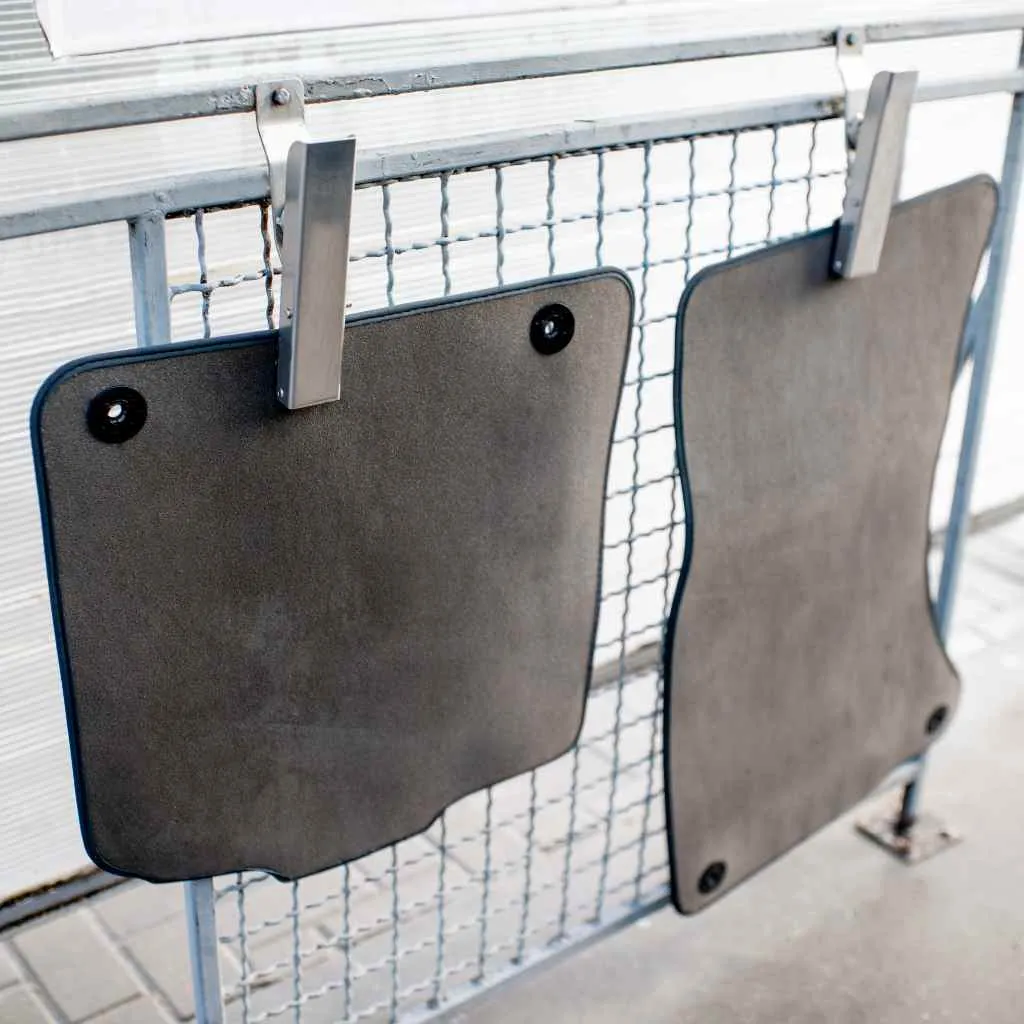
Proper drying is critical. Moisture trapped under carpets leads to mold and long-term odor problems.
Open all doors and windows. Park in a shaded, ventilated area. Use fans if possible.
Drying time usually ranges from 4 to 8 hours, depending on weather conditions and moisture level.
Never reinstall floor mats until carpets are fully dry.
How Often Should You Clean Car Carpets?
Cleaning frequency depends on usage:
- Vacuuming: Weekly
- Spot cleaning: Immediately after spills
- Deep cleaning: Every 3–6 months
- Pets or heavy use: Every 1–3 months
Common Car Carpet Cleaning Mistakes
Avoid these mistakes that can damage carpets:
- Using too much water
- Scrubbing aggressively
- Mixing harsh chemicals
- Ignoring drying time
- Using household bleach
When Professional Car Carpet Cleaning Is Needed?
Professional detailing may be necessary if:
- Odors return quickly
- Mold or mildew is visible
- Stains are several years old
- Carpet padding is soaked
Long-Term Tips to Keep Car Carpets Clean
Small habits make a big difference:
- Shake out mats weekly
- Vacuum regularly
- Clean spills immediately
- Avoid eating in the car
- Use rubber mats during rainy seasons
Final Thoughts
Cleaning carpets is important for comfort, hygiene, and maintaining the value of your car in addition to looks.
Your car's interior can remain odor-free and fresh all year long with routine vacuuming, quick stain treatment, and the occasional deep cleaning.
You don't require costly goods or specialized equipment. Simply follow the proper procedures, keep consistent, and steer clear of typical blunders.
Every journey is more pleasurable when the carpets are clean, which also reflects good car maintenance.